• HOME
  • Cheetah Info
    • Fast Facts & Science
    • Cheetah Features
    • Cheetah Daily Life & Cubs
    • Threats to Cheetahs
    • Cheetahs & Humans
  • Kid Fun
    • Crafts
    • Activities
    • How to Help
    • Cheetahs Near You
    • Books
  • About Us
    • Community Events
    • Cheetah Heroes
    • Run for the Cheetah

Threats to Cheetahs

Five factors that are affecting our world's cheetah population. Information on Illegal Wildlife & Pet Trade.

What is Happening to Cheetahs?

1

Cheetahs are born with genetic issues.
Thousands of years ago many animals died off, including large populations of cheetahs. This caused a 'population bottleneck' where only a small population of cheetahs survived.
Because of this the cheetahs today have very similar genetic make-ups. This causes many genetic issues for cheetah populations. Cheetahs are more likely to get diseases, have trouble having cubs and less likely to adapt to their environments. Genetic diversity takes hundreds of years to develop and increasing cheetah populations helps with this issue.

2

Cheetahs have conflicts with humans.
Almost all of the wild cheetah population in Africa live on private farmland. This can cause cheetahs to come into direct contact with farmers and their livestock. Livestock are domesticated animals like, cattle and goats that are raised to help with work, provide food and materials.
When livestock is attacked and an animal is killed by a predator, cheetahs are blamed many of the times. Cheetahs have been killed and trapped by farmers for lots and lots of years.

3

Cheetahs are losing habitat.
Cheetahs need large areas of land to hunt, roam, seek water sources, keep distances from larger animals and humans. Mama cheetahs also need space to raise cubs safely.
The land cheetahs share with farmers has become more and more fenced and fragmented. This will increase as the human population grows and without large areas of land cheetahs will continue to struggle.

4

Cheetahs have less food to eat.
Cheetahs hunt, eat and survive on prey animals The prey animals feed and live on the vast grasslands of the savanna. The prey animals are losing space for grazing and habitat to live just like the cheetahs.
Thomson's gazelle, the cheetah's favorite food, are declining in population numbers and are considered a near-threatened species in the world (ICUN Red List Status, 2020).

5

Poaching, illegal wildlife & pet trade are affecting cheetah populations.
Poaching is the illegal hunting, killing or capturing of animals from the wild. Many cheetahs are been hunted and killed for their skins (pelts). This practice still exists in parts of the world where a cheetah skin is worth more than an alive cheetah.
In other parts of the world, cheetahs are wanted as pets. Illegal wildlife trade is creating devastating effects to the cheetah population as young cubs are taken straight out of their mother's nest to be sold as pets. These poached cubs are often smuggled to far away places and bought as pets and seen as symbols of wealth in some cultures. 
The cubs are transported in small boxes, bins or containers and often do not survive the journey. If the cheetahs do survive the journey their life in captivity is very short. Cheetahs do NOT survive well in houses where they eat the wrong diets, live in small cages and have no place to run and roam. Cheetahs are NOT pets.

Illegal Wildlife & Pet Trade
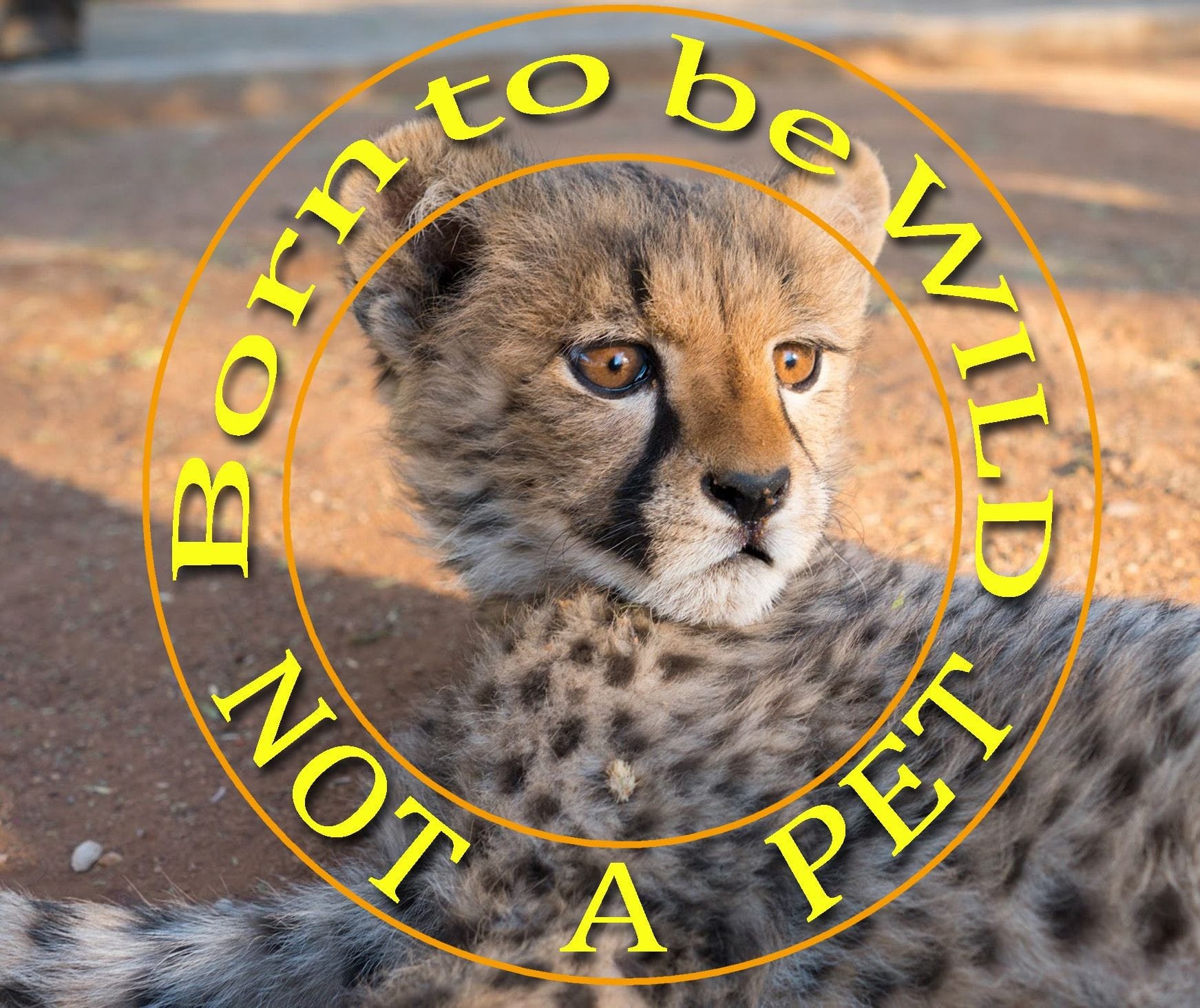
Does a wild animal like a young cheetah make a good pet?

The answer is NO.
In fact it is illegal to have a cheetah as a pet.
Unfortunately in parts of our world many people have the desire to own a young cheetah as a pet. This is creating a terrible demand for people (poachers) to find and take young cheetahs out of the wild and sell them off as pets. This is called illegal pet trade. Currently the cubs are taken from the Horn of Africa and sold to buyers in the Middle East.
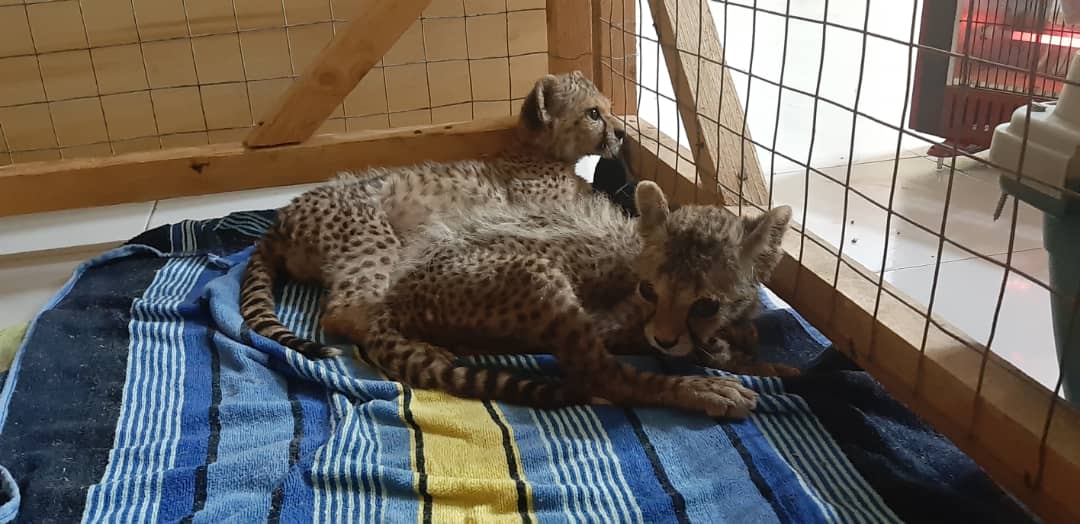
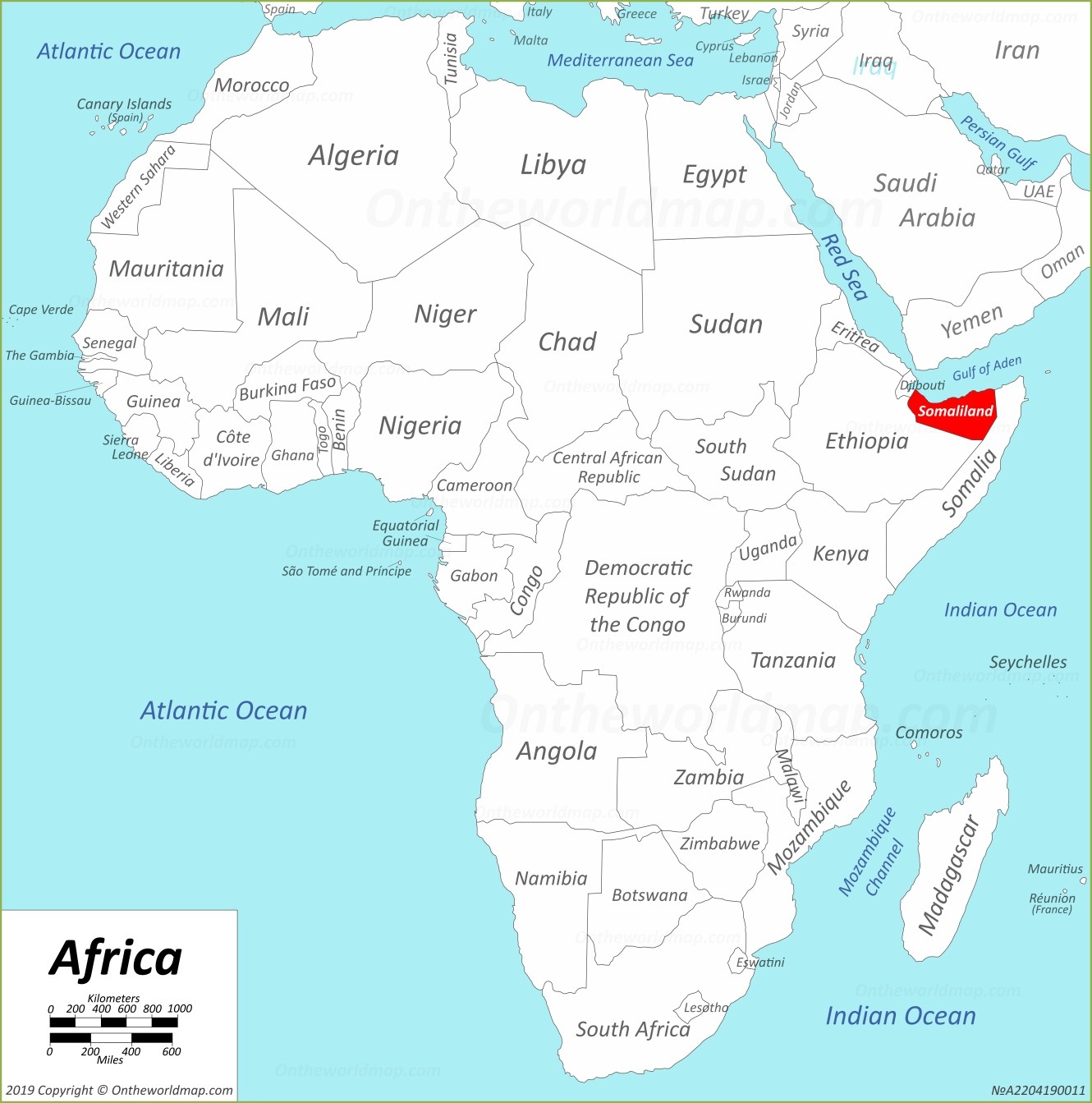
Cheetah Conservation Fund Addresses the Illegal Pet Trade Directly.... Opens the Cheetah Rescue & Conservation Center (CRCC) in Somaliland.
The Illegal Wildlife and Pet Trade continues to grow out of control and is causing a crisis for the cheetah population of the world. The Horn of Africa has an large amount of the illegal pet trading occurring where wildlife, often very young animals/birds* are taken from the wild and sold to buyers across the ocean to the Arabian Peninsula/Gulf Region. The Cheetah Conservation Fund has worked with the government to set up a Cheetah Rescue and Conservation Center (CRCC) in Somaliland. This center provides space and care of the many, many orphaned cheetah cubs confiscated from traffickers by the authorities and helps to address this terrible problem.
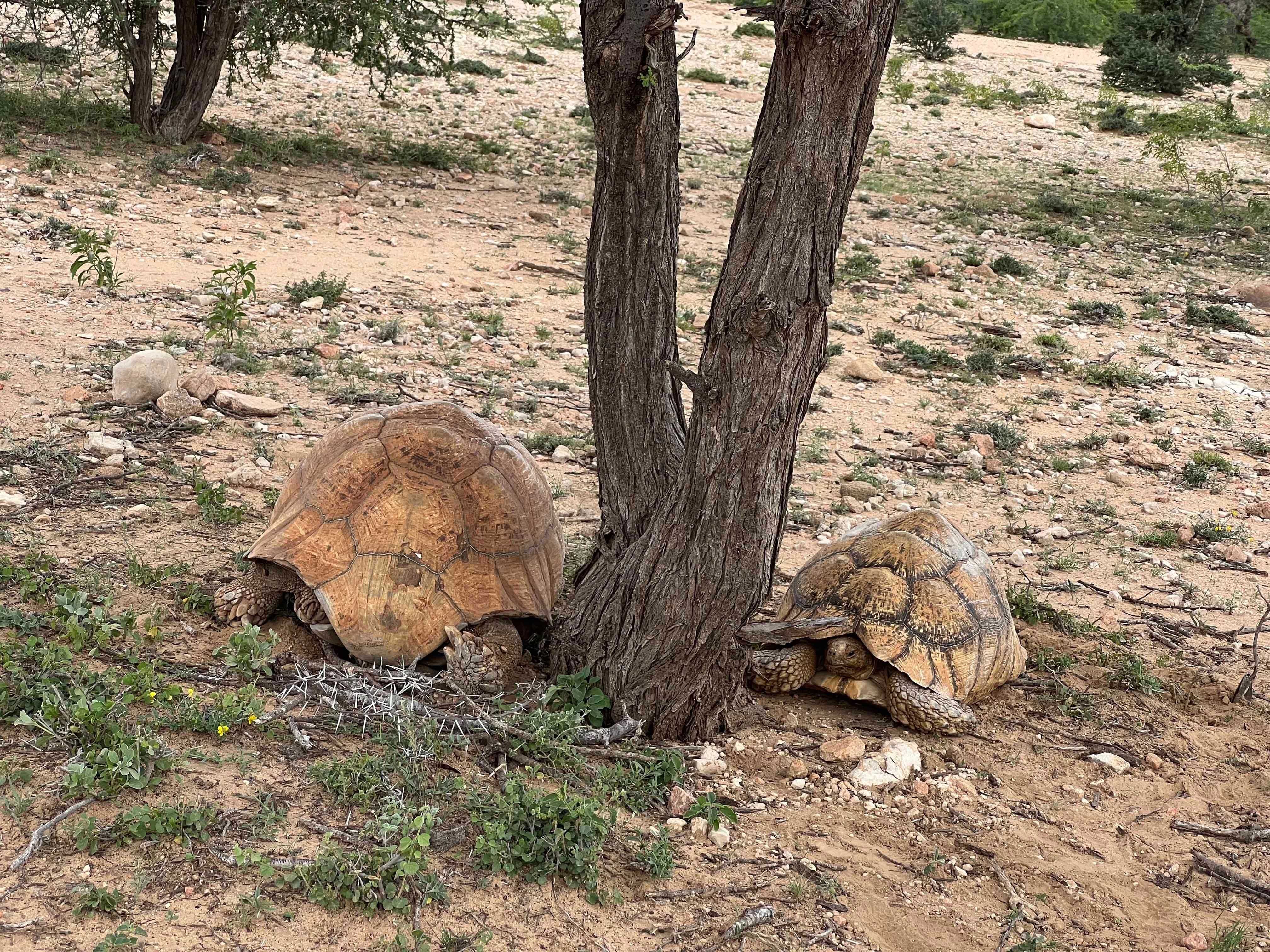
The CRCC is on a very large area of wide open space called Geed-Deeble outside of the capital of Hargesia. The field center provides room to house and care for the orphaned cheetah cubs along with staff housing, vet clinic and educational areas. There are other animals roaming in this area too, cute little diks diks and lots of BIG tortoises. (see photo by @cam.carver). CCF is employing local people and is involved with numerous programs in the area, like the Future Farmers of Africa, to help people make a living while valuing their wildlife/natural resources. The CCF has their work cut out and it will take a continous dedicated world effort to combat this ever growing issue of Illegal wildlife and pet trade. See the lists of the species unfortunately caught in this terrible situation*
CNN Reports on Illegal Pet Trade: Cheetahs August 2019
CNN reported on this issue August, 2019. It's a tough topic to hear about and watch so kids ask your parents to join you and check out the news story together. Link below for video on the current illegal pet trade issue.
CNN Replay S12:E226 - The ultra-rich are illegally buying cheetahs as pets and it's leading to their extinction.
Very hard to watch but it's real and it's taking many of our world's young cheetahs out of the wild and into a captive and very short life. Cheetahs are NOT pets.
©CheetahConservationFund

Associated Press Reports on The Illegal Trade in Exotic Wildlife: Cheetah Cubs Where: Somaliland August 2025

The illegal trade of wildlife is hard to understand and believe but it is real threat to our world's wildlife. It's a tough topic to hear about so kids ask your parents or teacher to check out the news story together (link below to MSN) What is happening to cheetahs? The seemingly endless demand for cheetahs is coming from people in the Gulf Countries (defined as the countries that border the Persian Gulf). They see cheetahs as a status of wealth or have a desire to have a cheetah as a pet. To fill this demand poachers, in the Horn of Africa, take very young cheetahs directly from their mother's nest and place them in boxes/containers to be transported across the seas to be sold and live as a pet. Who is doing something about it? The Somaliland government continues to track poachers and confiscate the cheetahs. Wildlife possession is illegal in Somaliland. The cheetahs they find end up in the care of the Cheetah Conservation Fund's Cheetah Rescue and Conservation Center (CRCC). Under CCF's care the rescued cheetahs receive veterinary care and are given a good life at the CRCC. Will the cheetahs get released back into the wild? Many of cheetah cubs are taken as teeny, tiny cubs and do not stand a chance to develop the crucial skills of survival to be set back into the wild so their days will be spend at CCF's facility in Somaliland. Cheetahs belong in the wild but for a rescued cheetah it will be living a life as close to being a wild cheetah as possible. And they will live a lot longer under the care of CCF than they would have as a pet.
MSN Story by Associated Press EVELYNE MUSAMBI link
Somaliland is located in the Horn Of Africa
*Top 6 Species caught in the Gulf Region's Illegal Wildlife & Pet Trade
1. African Grey Parrot (Psittacus erithacus) 2. Saker Falcon (Falco cherrug)3. Peregrine Falco (Falco peregrinus)4. Cheetah (Acinonyx jubatus) 5. Nile Crocodile (Crocodylus niloticus)6. Chimpanzee (Pan troglodytes
Top 3 Species caught in China & Southeast Asia Region's Illegal Wildlife & Pet Trade
1. Black & White Rhino (Diceros bicornis and Ceratotherium simum)2. Pangolin 3. Ivory from African Elephants Resource ©LegalAtlas2022

Help save cheetahs!

Be a CHEETAH KID

Together we can help save cheetahs. You can make a difference for cheetahs by telling your friends and families about cheetahs and what is happening to them in the wild. Share what you know.
Spend time checking out our KID FUN pages for ideas and activities that anyone can do to celebrate cheetahs. Share your cheetah fun with us & please send comments, photos to jody@cheetahkids.com
Thank you for being a Cheetah Kid too. - Cameron
"Some people talk to animals. Not many listen though. That's the problem." - Winnie the Pooh (A.A.Milne)
©2026 Cheetah Kids. All rights reserved.

We use cookies to enable essential functionality on our website, and analyze website traffic. By clicking Accept you consent to our use of cookies. Cookies and Privacy Policy.

Your Cookie Settings

We use cookies to enable essential functionality on our website and analyze website traffic. For more information, read our Cookies and Privacy Policy below..

Cookie Categories
Essential

These cookies are strictly necessary to provide you with services available through our websites.

Analytics

These cookies collect information that is used in aggregate and in an anonymized form to help us understand how our website is being used and how effectively our site is performing.